Is Walking With Weights Actually Worth It?
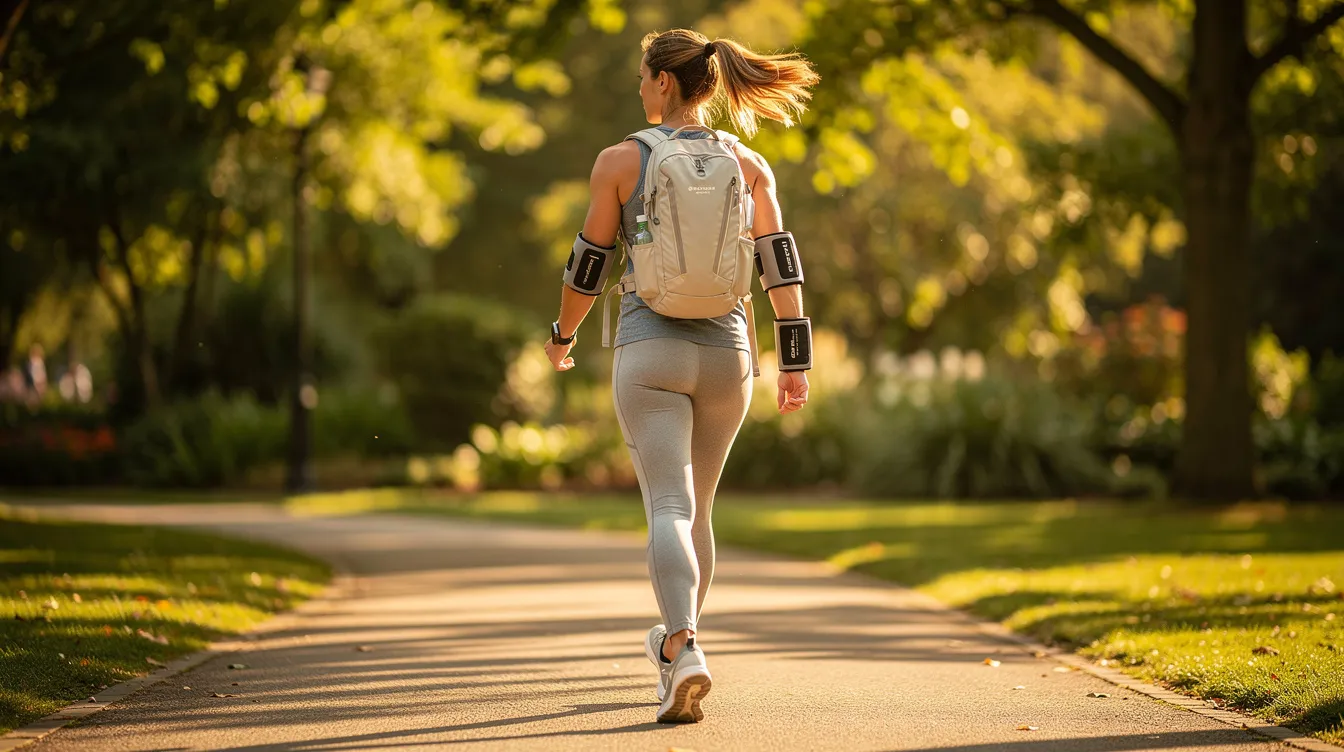
You've built a solid walking habit, you're hitting your step goals most days, and now you're wondering: what's next? Grabbing a pair of ankle weights or a light backpack seems like a logical upgrade — but before you add extra load to every walk, it's worth understanding exactly what you're getting into.
The Basic Appeal: Why People Add Weights to Walks
The idea makes intuitive sense. If walking is good, walking harder must be better, right? Adding resistance forces your muscles to work a little more, which can raise your heart rate and make a familiar route feel genuinely challenging again. For people who want to use walking for weight loss or general fitness without jumping into running or gym workouts, weighted walking feels like a comfortable middle ground.
There are a few different ways people add weight to their walks:
- Ankle weights — straps that wrap around each ankle, typically ranging from 0.5 kg to 2 kg each
- Wrist weights — similar concept, worn on the wrists, sometimes combined with light arm movements
- Weighted vests — distribute load evenly across your torso
- Loaded backpacks (rucking) — carrying a backpack with added weight, often called "rucking"
- Handheld dumbbells — light dumbbells held at your sides or used for arm exercises mid-walk
Each option has a different effect on your body, and they're not all created equal.
The Real Benefits of Walking With Weights
When done thoughtfully, adding weight to your walks can offer some genuine advantages.
Higher calorie burn
Carrying extra weight means your body has to work harder to move, which generally translates to burning more calories over the same distance. A weighted vest or loaded backpack tends to produce the most honest calorie increase because the weight is close to your center of gravity and your whole body shares the effort.
Improved muscular endurance
Ankle weights in particular can help strengthen the muscles around your hips, thighs, and lower legs over time, especially if you incorporate some deliberate leg raises or slow, controlled steps. Rucking — carrying a loaded backpack — is well known for building posterior chain strength, meaning your glutes, hamstrings, and back.
Better cardiovascular challenge without running
If your regular walks have started to feel too easy and you don't want to run, a modest amount of added weight can push your heart rate back into a more useful training zone. This is particularly helpful for people who find running hard on their joints but still want to improve their cardiovascular fitness.
Bone density support
Weight-bearing activity is widely recognized as beneficial for bone health. Adding a small, manageable load to walks may contribute an additional stimulus, though this is not a substitute for medical advice — always check with your doctor if bone health is a specific concern for you.
The Risks You Should Know About
Here's where things get more nuanced. Not every type of weighted walking is equally safe, and some popular options come with real downsides.
Ankle weights and joint stress
Ankle weights are probably the most common choice, but they're also the most controversial among fitness professionals. Because the weight sits at the end of your limb — far from your center of mass — it creates a long lever effect. This puts extra strain on your knee joints and hip flexors with every step. Over time, especially with heavier weights or long distances, this can contribute to overuse injuries. General guidance suggests keeping ankle weights very light (around 0.5–1 kg) and limiting how long you use them, particularly if you have any existing knee or hip issues.
Altered gait and posture
Any added weight can change the way you walk if you're not careful. Handheld dumbbells can cause you to tense your shoulders and arms, leading to neck and upper-back strain. Heavy backpacks can pull you forward or cause you to arch your lower back. Maintaining good posture — shoulders back, core lightly engaged, smooth heel-to-toe stride — becomes even more important when you add load.
It's not magic
Adding a kilogram of weight to your walk won't transform the workout as dramatically as many people hope. The increase in effort is real but modest. If your goal is significantly more calorie burn or strength, structured strength training alongside your walking habit will almost certainly deliver better results.
Who Should (and Shouldn't) Try It
Weighted walking can be a smart addition for:
- Experienced walkers who have built a consistent base and want a new challenge
- People who genuinely enjoy walking and want to make it their primary form of exercise
- Those interested in rucking, which has a strong community and is well-suited to outdoor adventures
It may not be the right choice if:
- You're brand new to regular exercise — build your base first
- You have existing knee, hip, ankle, or back problems (please speak with a doctor or physiotherapist before adding load)
- You're currently working on increasing your step count — focus on volume before intensity
As always, if you have any health conditions or concerns, check in with a medical professional before changing your routine.
How to Start Safely If You Want to Try It
Ready to give it a go? Here's a sensible approach for beginners:
- Start lighter than you think you need to. A weighted vest at around 5–10% of your body weight is a commonly cited starting point for rucking. For wrist or ankle weights, go as light as possible — 0.5 kg is enough to notice a difference.
- Keep your first weighted walks short. Try 15–20 minutes before attempting your full usual route. Your muscles, tendons, and joints need time to adapt.
- Pay attention to how you feel. Some muscle fatigue is normal. Sharp joint pain, lower back pain, or an awkward gait are signals to stop and reassess.
- Don't add weights to every walk. Alternate weighted and unweighted walks so your body has time to recover.
- Track what changes. Using a step counter like StepsFit to monitor your daily step count and weekly trends is a great way to see whether your effort and consistency are actually improving over time — weighted walks included.
The Verdict: Is It Worth It?
Weighted walking absolutely can be worth it — with the right expectations and the right method. A weighted vest or a rucking setup is the most balanced choice for most people, offering genuine fitness benefits with less joint risk than ankle weights. Approach it gradually, keep your form honest, and think of it as one tool among many rather than a shortcut.
If you're still building your step habit, your best investment right now is simply more steps. Consistency with volume will take you further than adding weight before you're ready. But if you've been walking regularly for a while and you're craving a new challenge, lacing up with a little extra load might be exactly the refresh your routine needs.